Good Friday Walk 2023
Churches around Malhamdale organised again this year “A Walk in the Dale”. As it was last year about 35 people from around Airton joined in for parts of the route (and about 25 did the whole circuit). Avoiding the Good Friday traffic and spent a great day outdoors, with opportunities to talk, reflect and look to the coming year, and perhaps to see something different.
The group left Gargrave at around 9 am and arrive at Airton Meeting House around 11 am for refreshments and a short talk about the historic Meeting House by our Clerk, Wilf Fenten was informative. Some of Airton Friends joined them at this point on the walk, and others were in the Barn preparing for their arrival in Airton and provided tea, coffee, juice, biscuits and cake. Anyone who did not want to walk but to have have a closer look at Airton Meeting House were also welcomed with refreshment.
A big thank you to Sue McWhinney from St Michael the Archangel Church in Kirby Malham and husband Paul for their organisation and ongoing support throughout the event. A link to Sue’s post online below
Good Friday marked by mini Dales pilgrimage to three churches
First published on: 8th April 2023
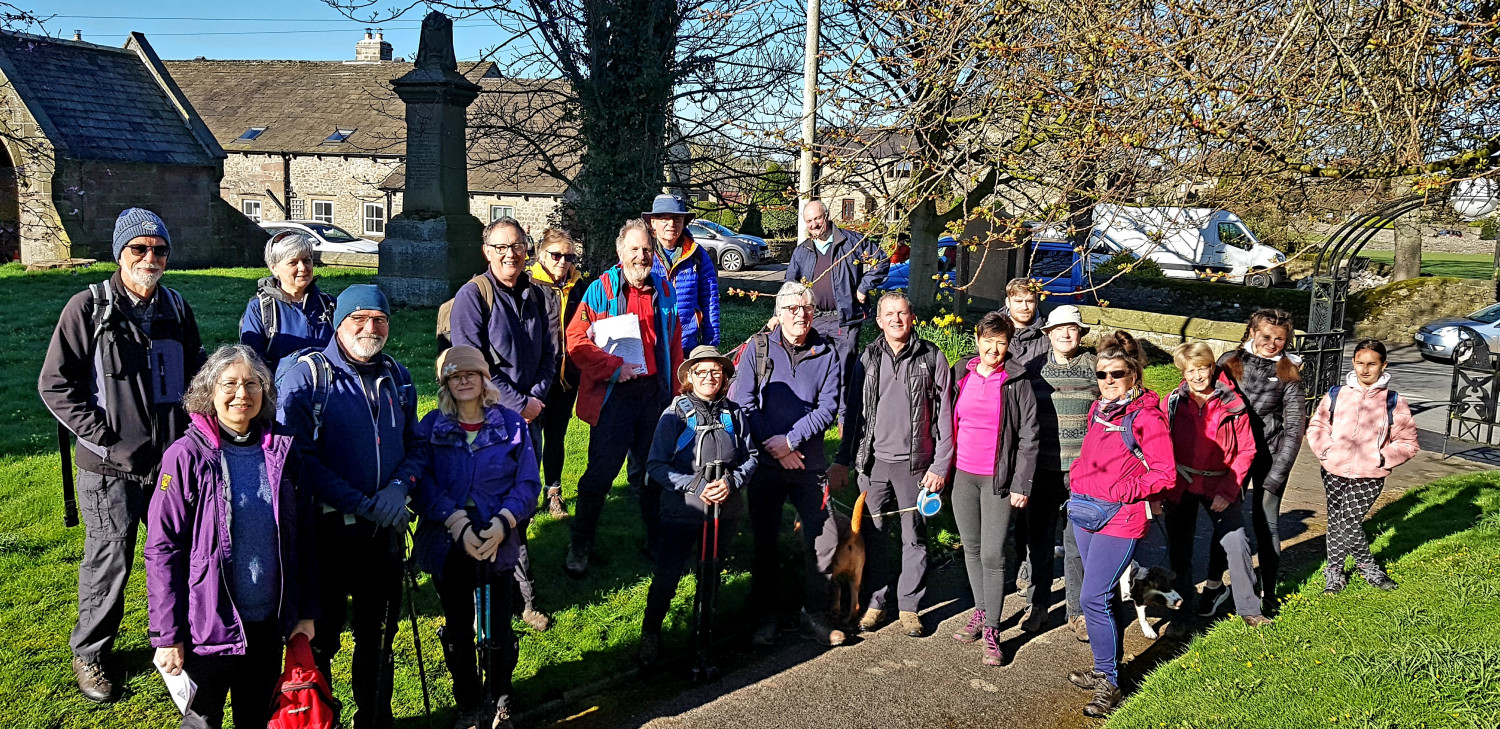 Good Friday was marked by a mini pilgrimage through stunning Dales scenery by walkers from the churches of Gargrave, Coniston Cold and Kirkby Malham.
Some 30 ramblers took part in the 14 mile circular hike from St Andrew’s, Gargrave, along the Pennine Way to St Michael’s, Kirkby Malham and then looped back via St Peter’s, Coniston Cold.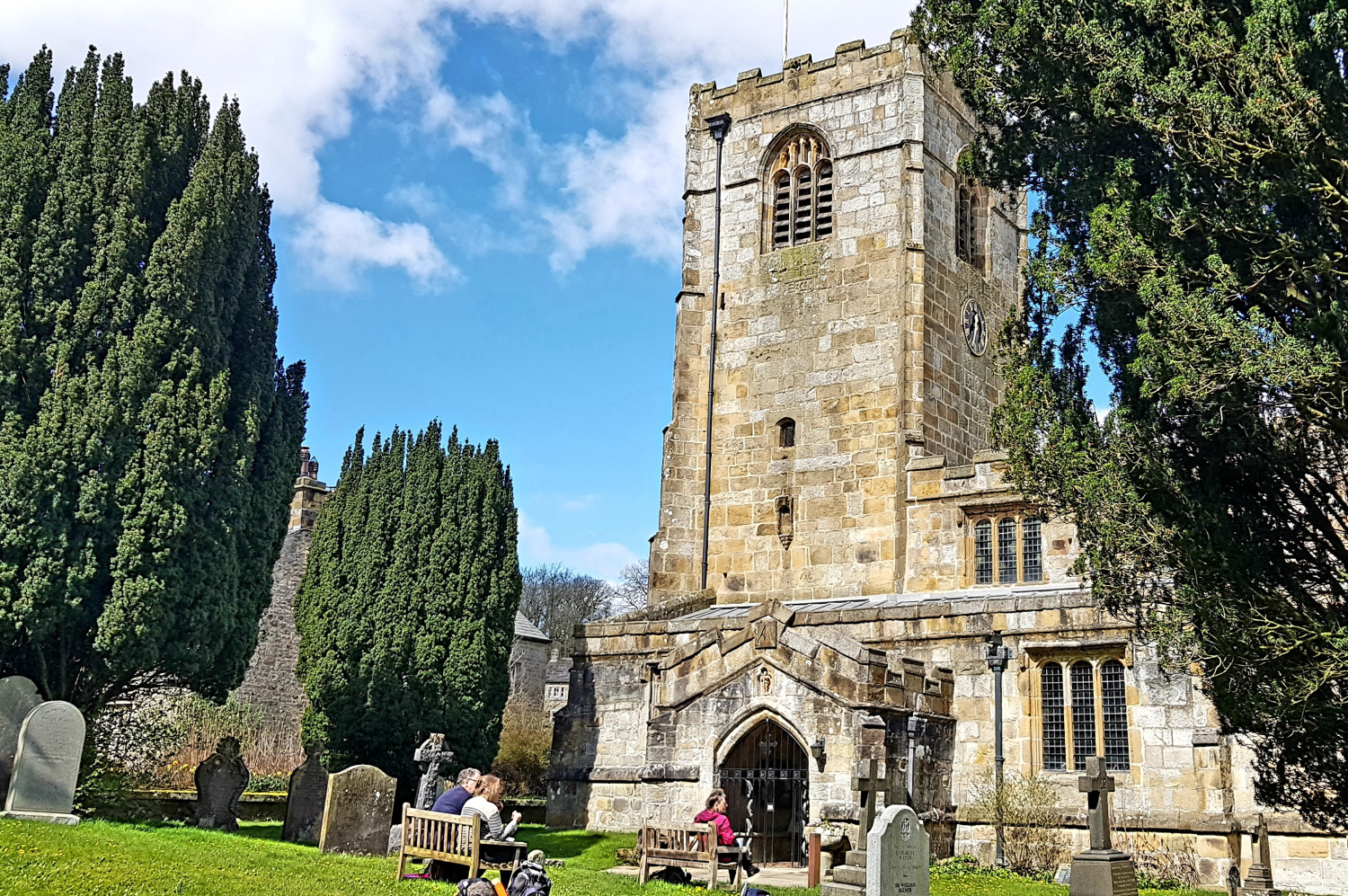
Welcome refreshments en route, including hot cross buns, were provided at the 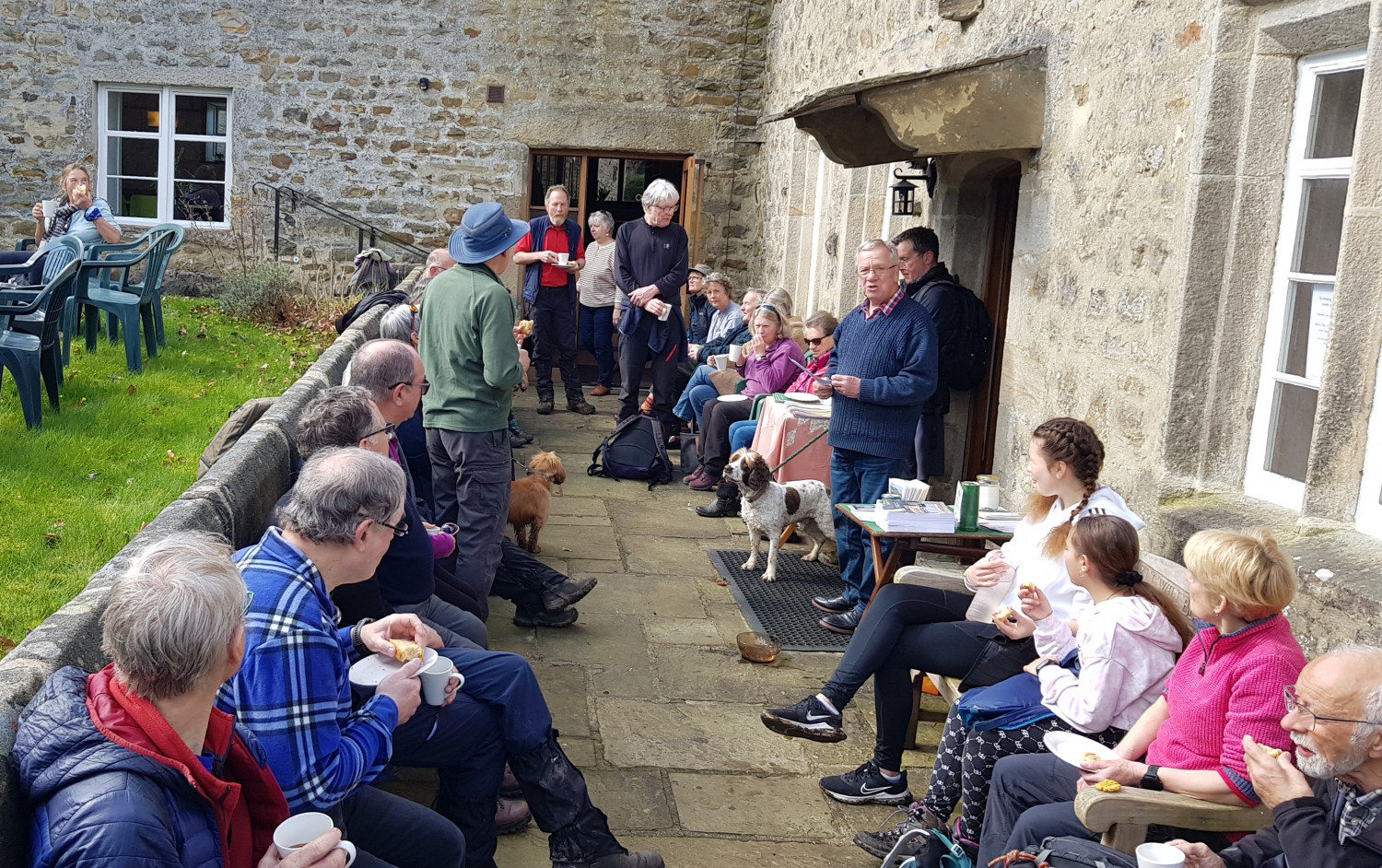 Friends Meeting House, Airton, where member Wilf Fenten gave a talk and tour of one of the oldest Quaker buildings in the country.
Tea was served at St Michael’s before a steep climb out of Kirkby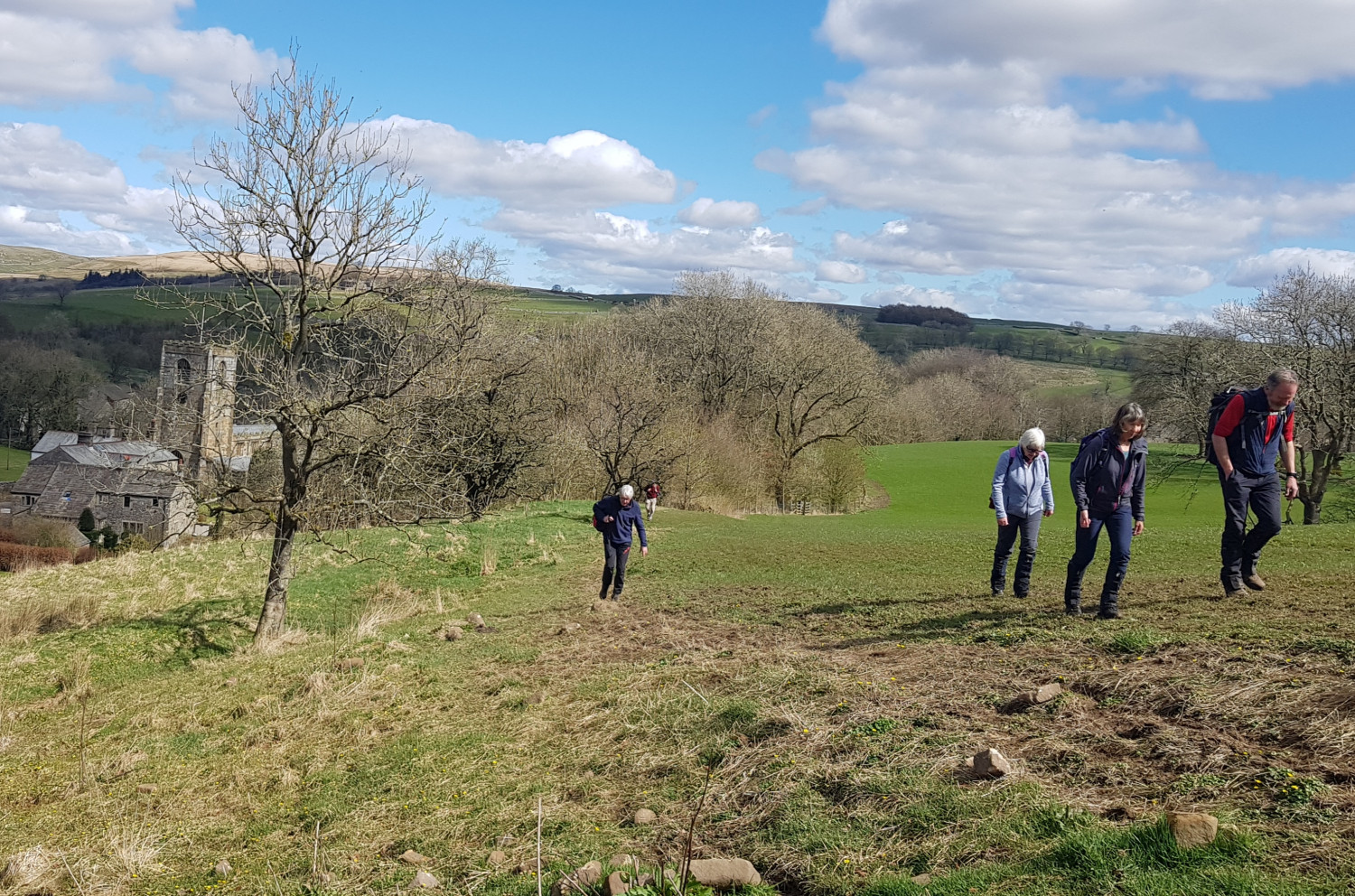 Malham and on to St Peter’s for a rest and more buns at Coniston Cold village hall before the last leg back to Gargrave.
Revd Sue McWhinney, who organised the walk with her husband Paul, said the circular Easter walk may become a fixture: “It’s been a wonderful day visiting beautiful churches in beautiful places and calling into the Meeting House also made it an ecumenical event.
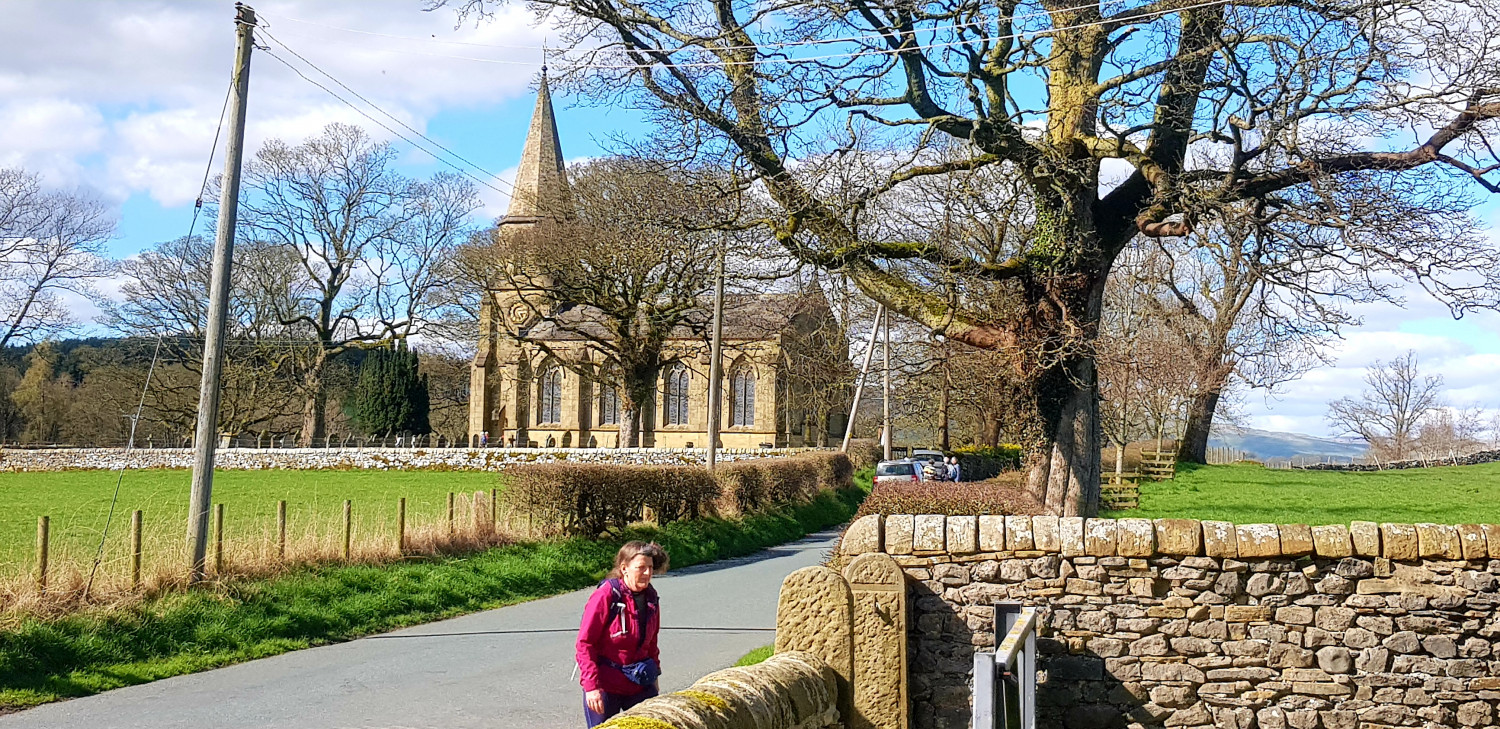 “It was the second Good Friday that we’ve done this walk and it would be great to do it every year.”
A map of the walk and directions to download
We Are Open – looking forward to welcoming you to stay 2023 in our refreshed Bunk barn!
This historic Quaker meeting house and accommodation is back open for business!
MARCH 7TH 2023 AIRTON BARN
After being closed for nearly 3 years due to the COVID-19 pandemic, Airton Barn is reopening its doors on April 1st, and it’s an exciting moment for travellers and backpackers alike. This hostel, located in the beautiful village of Airton in North Yorkshire, England, has been a popular destination for budget travellers for many years. What makes this hostel even more special is that it is run by the Quakers who are known for their commitment to social justice and community service. The historic Friends Meeting House on site has been used by Quakers since the mid-17th century, being located in the region known by Quakers as ‘1652 Country’.
Airton Barn is not just any hostel; it’s an ethical hostel that provides rest for travellers while promoting sustainable tourism practices. Airton Barn is committed to creating a safe, welcoming, and inclusive space for all guests, regardless of their background, ethnicity, or religion.
A historic venue in its own right, Airton Friends Meeting House has a fascinating story to tell about the origins of Quakerism in this region. With so many other ancient religious sites in the area, the Barn makes an ideal base for pilgrimages and journeys of architectural discovery. They host retreats of various kinds, faith-based or otherwise, as well as creative courses and workshops.
One of the great things about Airton Barn is that it’s located in an area of outstanding natural beauty. The village of Airton is situated in the heart of the Yorkshire Dales National Park, and it’s a perfect base for exploring the area. Guests can enjoy hiking, cycling, and other outdoor activities while admiring the stunning scenery of the Dales. The hostel is also within easy reach of several historic sites, including Bolton Abbey and Skipton Castle.
Overall, the reopening of Airton Barn is an exciting moment for travellers who are looking for a unique and ethical place to stay. So, whether you’re a backpacker, a solo traveller, or a family looking for an affordable and ethical accommodation, Airton Barn should be added to your 2023 bucket list.
Entry written in the Natter – Independent Hostels Association
Walking our own transformation
A walk in this part of the world is a reminder of two apparently contradictory things: the extraordinary impact of human society in the spaces it occupies and the fragile thinness of the landscapes that result.
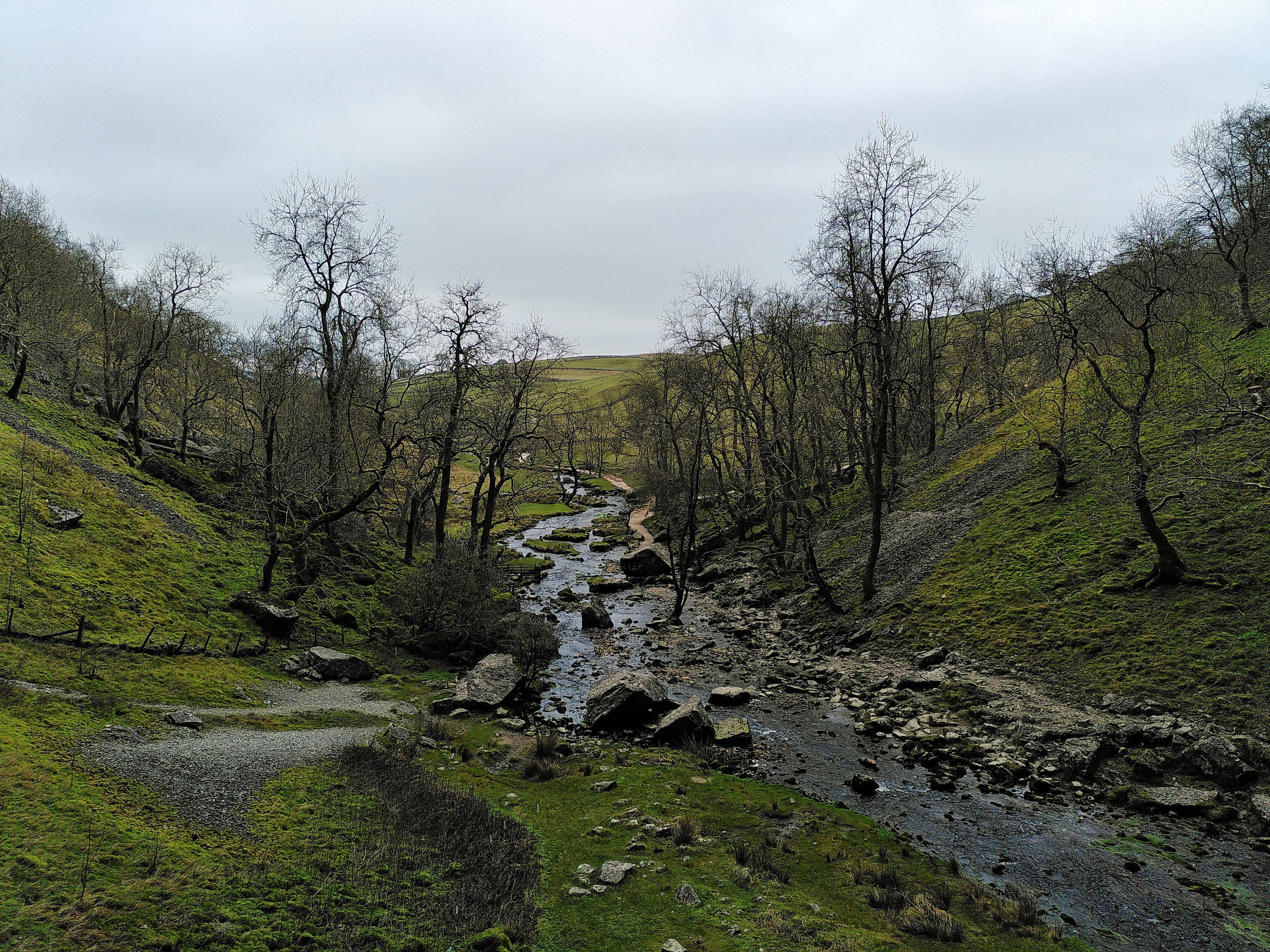
A ‘landscape’ has long been understood as something difficult to define – its character, quality and boundaries all dependent upon perception, hence inevitably read and experienced differently by each person who encounters it. What is common in definitions of the term is the truth that landscape in general is the result of interaction between natural and human forces. This is as clear in Malhamdale as anywhere.
Here the frenetic dance between nature’s will and human craft shapes everything. Here the very materials of human occupation seem to burst directly from the ground, while the spaces carved by ice, water and wind define the pattern of infrastructure and settlement. The resulting complexity experienced as ever-changing crazily segmented vistas is as bewildering as it is mesmerising.
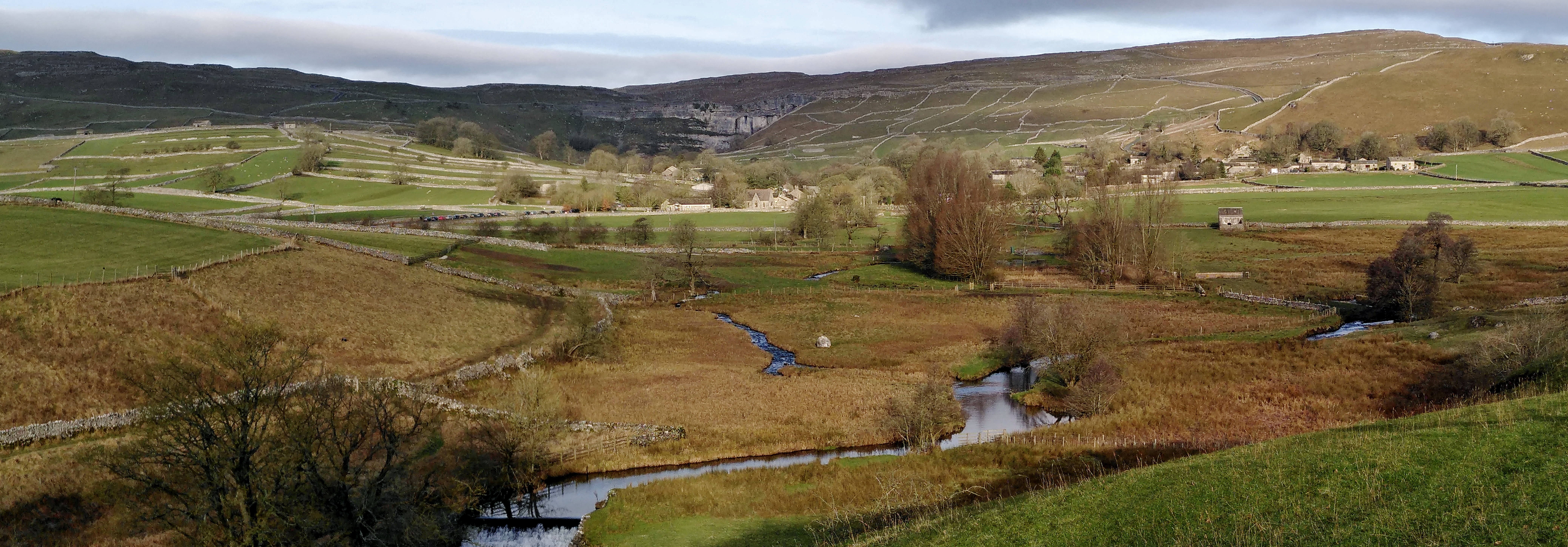
The part of the picture that always moves me the most lies between the houses and roads nestled in the deep of the valley and the majestic crags and hilltops of its heights. In the ancient lynchets and stone walls we see the bones of a civilisation – our civilisation, apparently clinging by its fingernails to the surface of the earth.
In the past few years, the precariousness of the human-nature dance has become clear to most of us, as the human role in the dance becomes ever more dominant. The consuming fury of our civilisation is laying waste to ever greater areas, making life for all the other creatures in our interdependent web at best challenging, at worst impossible. Some have seen the Covid-19 pandemic itself as a direct result of that imbalance, arising as it did from the concentrated exploitation of wild animals for human gain – a sign of a broken relationship and an urgent call to healing. It is at very least a reminder that we scrape away the natural part of the landscape not only at its but our own peril.
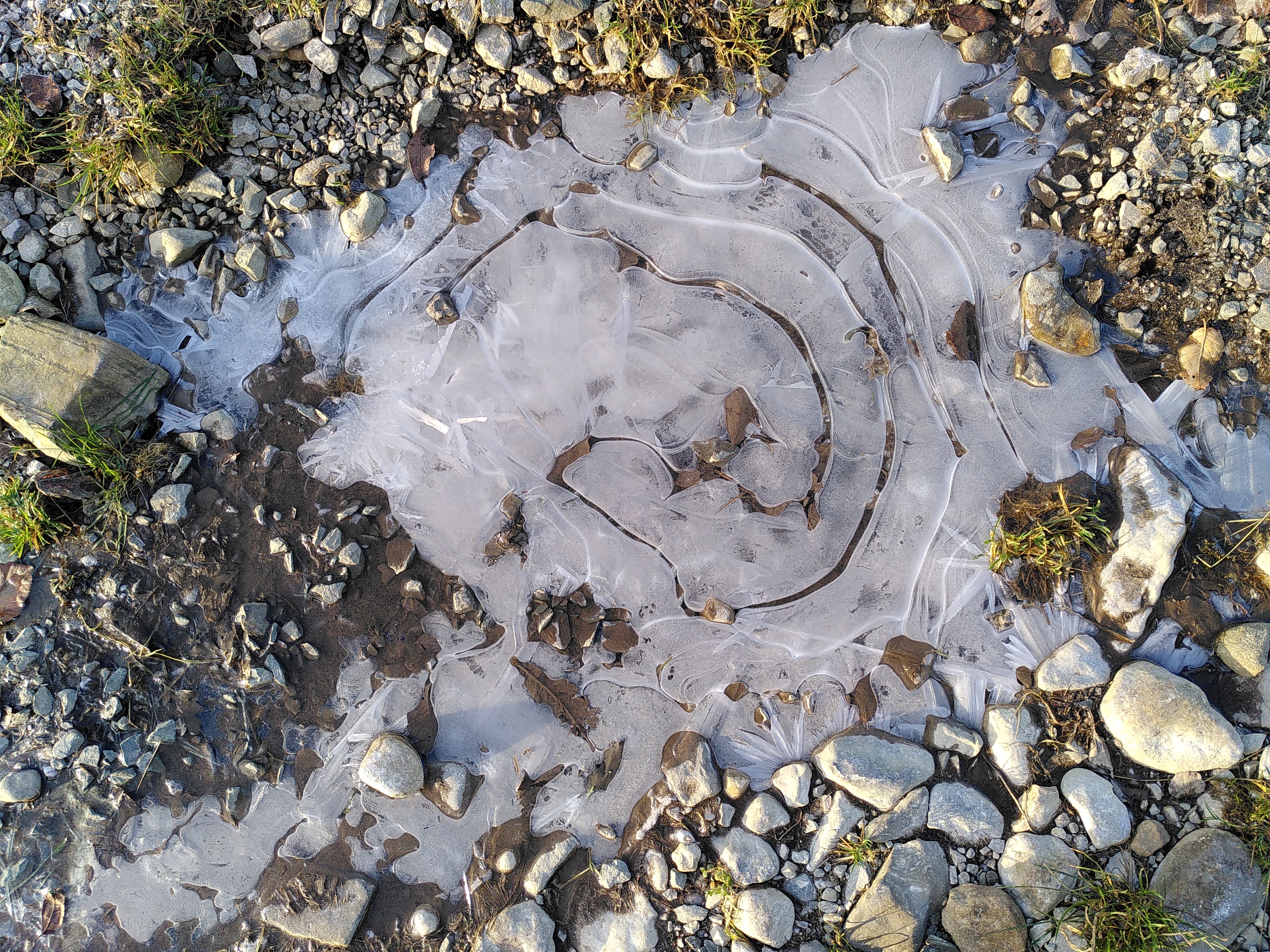
The diagnosis may be clear but how should we respond? What new steps must we learn in the dance? Technological, practical ones yes, but I wonder if we are so entrenched in our ways and so addicted to gain that a far deeper change is required. To relearn how to relate to the rest of our natural family, we need to transform our whole selves. Instead of asking ourselves ‘how much can I get?’ we could ask ‘how much do I need?’ – and for this to be an authentic, critical analysis of need. Rather than saying ‘what do I have to give?’, we could say ‘how much can I share?’ – thinking not only of those around us but of all whose needs are not met. And where we’ve concentrated on satisfying the needs and desires of the day, however fairly we try to achieve that, it’s clear that we also need to pay forward from our present abundance into a future in which the pressures on resources may be even greater than they are today.
We can look to ideas and movements such as agroecology, permaculture, regenerative agriculture or transition towns to find practical responses to these questions – and the time is long overdue for those with power and influence to do so – but for really profound inner change I’ve found nothing more resonant and helpful than this mantra from the Jain faith, introduced in a talk I heard given by environmental teacher Satish Kumar:
I forgive all living beings on this earth
I beg forgiveness from all living beings
I cherish friendship with all living beings
I have animosity towards none.
A walk through any landscape with these words in the heart or on the lips is one that will transform at least one essential component of that landscape: yourself.
Led by the birds – adapting to the times
You can learn a great deal just by observing nature; and my favourite classroom is the window by the bird feeder. Watching the parade of songbirds, corvids and doves flit and flap their ways across the road then perch, peck and posture in their individual ways is endlessly entrancing – to say nothing of the psychological battles with squirrels who given half a chance would tear the peanut feeder apart and spoil it for everyone else.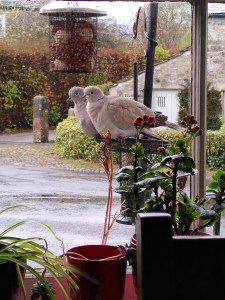
Every creature, squirrel, bird or the vole that lives in the border under the feed station, has its own habits and seems equipped with the intelligence needed to make its living. Today I watched a scruffy Coal Tit worry away at a few peanuts, deftly switching from upside-down to sideways on and back, before flitting across to the empty squirrel proof feeder to see what was for dessert. Empty for a few days now – as I’m really not a good avian dinner host – but, it seemed, worth a try. Finding nothing doing it just as quickly flitted off to look elsewhere.
Before trying its luck at the empty feeder, this tiny bird must have known that it was somewhere that food could often be found. It was following a pattern – one that normally served it well. Except this time the pattern was broken and there was no point hanging around in the hope that normal service would be resumed soon. It adapted its plans and followed a new path.
Where do we look for nourishment and what do we do when the usually reliable sources are no longer serving? We can ask the question about food (I’ve not been able to get hold of my usual type of yeast since the shelves were cleared of the last tubs of it in early March) but we can also ask it of the less tangible things that support us in life – culture, learning, closeness to others. And it’s been a pressing question for the past four months for everyone on the planet, as the constraints imposed by the very real threat of disease have put a stop to countless events, social engagements and what used to be normal human interactions.
There have been partial solutions of course – heroes of the hour in the form of voice-over-internet software. Some activities have found a new lease of life online. Communities have pulled together to support the vulnerable. Many people have found the solitude itself enriching. What’s clear is that we’ve all needed to find new ways to meet, share stories, express ourselves creatively. What is less clear is whether our institutions can be as adaptable, and therefore survive.
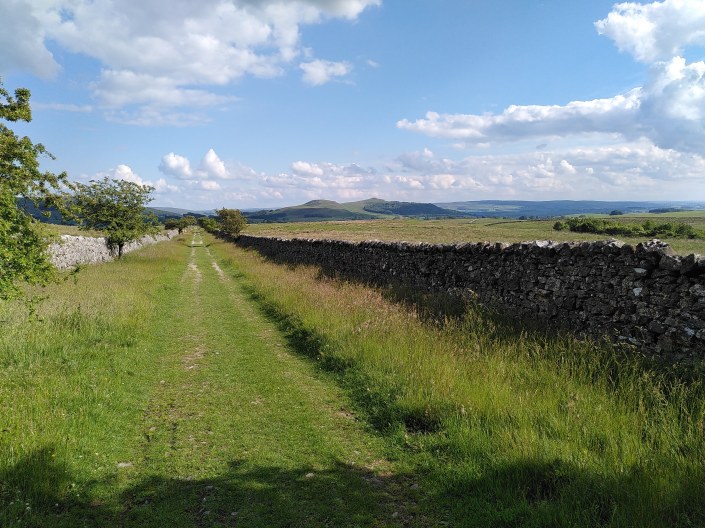
Today we held our first Meeting for Worship in person for the first time in over four months. Carefully signposted, precautionary information provided, sitting 2m apart, many wearing face-masks, keeping our voices low, not sharing drinks afterwards. It felt simultaneously a longed for rebirth and also something strange and unfamiliar. We can hope that things will relax further in due course but for the time being this is the only way gatherings can take place.
In the coming weeks, adapting our expectations as individuals will make the difference between the survival of the organisations and networks to which we belong, and their demise. It won’t be back to business as usual for a long time to come; but if we’re prepared to look for new ways to nourish ourselves and each other, our communities and culture will live to thrive again.
Now I think there’s a bird feeder that needs topping up…
Noisy Spring

Nearly 60 years ago, biologist and journalist Rachel Carson expressed a growing unease about the deadening effects of the new artificial pesticides on wildlife and people in her seminal volume ‘Silent Spring’. The title of this book eloquently captured the tangible impact of the loss of bird life resulting from the use of these novel chemicals, the like of which the natural world was ill equipped to absorb. At the time, species after species in the US and Europe were suffering catastrophic declines – a fact whose cause she traced to the cocktail of chemicals being scattered across the landscape in the cause of productivity. The book faced huge opposition in the courts, funded by the agrochemical industry, but remained in publication and is still available today.
Were that the end of the story, we might be used by now to one silent spring after another. But the use of agrochemicals became regulated, DDT was banned and nature began to recover. Ironic then, that it’s the diversity, beauty and sheer volume of birdsong that has characterised one of the strangest springs in living memory, when it seems human activities, not nature’s sounds, have fallen silent, giving the floor to the birds for the first time in generations. Nature in her resilience, bounces back – our aptitude for destruction being partially effective but thankfully so far limited. Perhaps there’s as good a reason as any to stop whatever damage we’re doing now and turn our energies to finding ways of living as part of the natural world rather than enemies of it.
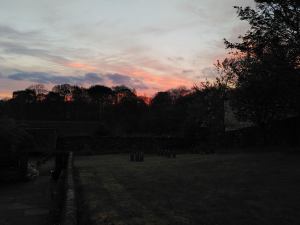
Early on an idyllic morning mid-May, I took my computer and microphone outdoors to capture what I could of the dawn chorus. At 4.30 I might have hoped to be in time to record the first chirrups of the day but I was late to the party. Sitting for half an hour against the wall of the Meeting House burial ground, I heard the chorus warm up and rise, song by song, to a crescendo of trilling, chirping and cawing – an orchestra eager to play out the drama of the morning.
It would be a travesty to waste time saying any more when nature has so much to say that has for so long been drowned by the mechanical noise of our day-to-day life. So at this point I’ll hand over to the players of the dawn chorus – the Robin and Wren, Song Thrush, Blackbird and Blue Tit, Crow, Jackdaw and Pheasant, along with a host of other soloists. If you can pick them out, drop us a line!
- ← Previous
- 1
- 2
- 3
- …
- 9
- Next →
 Airton Friends' Meeting House and Barn